

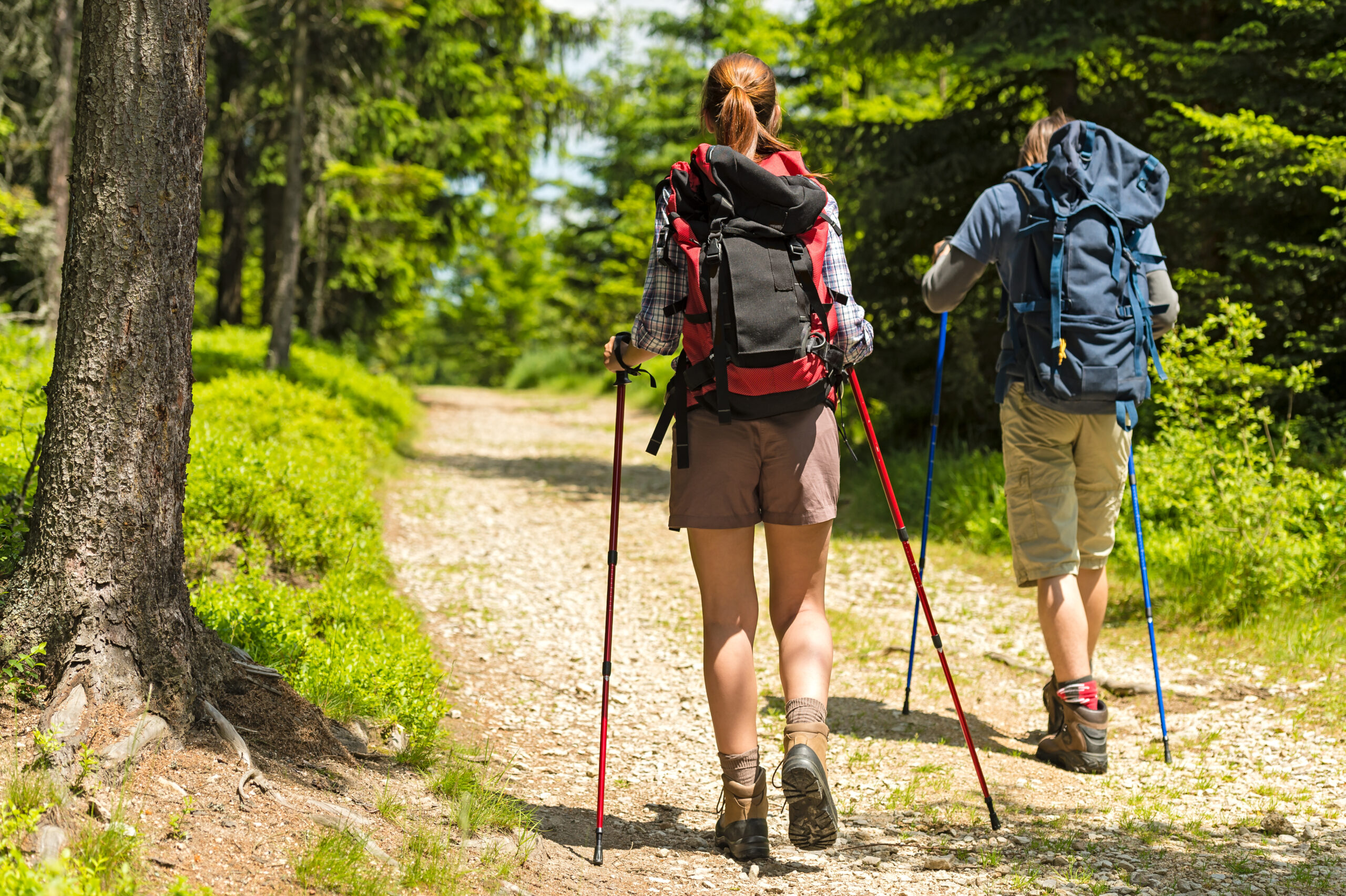
Are you ready to take on the great outdoors and experience the thrill of hiking? Whether you’re a beginner or an experienced hiker, there’s something for everyone when it comes to exploring nature on foot. In this blog post, we’ll cover everything you need to know to have a successful hike, from choosing the right trail to staying safe on the path. Let’s get started!
Hiking Trail Recommendations for Beginners
One of the most important things to consider when starting out with hiking is choosing the right trail. As a beginner, it’s best to start with shorter trails that are less challenging. Some popular hiking trails for beginners include:
Mount Tamalpais State Park in California
The Appalachian Trail in Georgia
The Superior Hiking Trail in Minnesota
These trails offer scenic views, well-maintained paths, and varying levels of difficulty so you can gradually build up your skills.
Essential Gear and Equipment for a Successful Hike
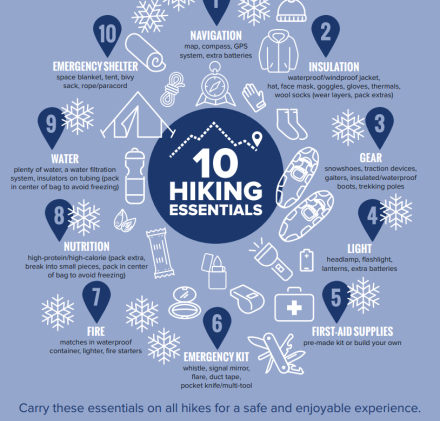
Once you’ve chosen the perfect trail, it’s time to gather all the gear and equipment you’ll need for a successful hike. Here are some essentials:
Sturdy hiking boots with good tread
A lightweight backpack to carry supplies
Plenty of water and snacks
Sunscreen and insect repellent
Map and compass (or GPS device)
First aid kit
Staying Safe on the Trail: Important Tips to Follow
Safety should always be a top priority when hiking. Here are some tips to help keep you safe on the trail:
Tell someone where you’re going and when you plan to return
Stick to designated trails and avoid off-trail exploration
Be aware of weather conditions and prepare accordingly
Carry enough food and water to last longer than planned
Know basic first aid techniques and how to use your first aid kit
Conservation Efforts Along Popular Hiking Trails
As more people discover the joys of hiking, it’s essential to protect our natural resources and preserve these beautiful areas for future generations. Many popular hiking trails have conservation efforts in place to protect wildlife habitats, reduce erosion, and maintain the integrity of the trail. Some examples include:
The Pacific Crest Trail Association which works to protect the 2,650 mile long trail stretching from Mexico to Canada.
The Continental Divide Trail Coalition which helps maintain the 3,100 mile long trail spanning from Mexico to Canada along the Rocky Mountains.
In conclusion, whether you’re a novice hiker or an experienced adventurer, there’s nothing quite like the exhilarating feeling of being surrounded by nature while pushing yourself physically. By following these guidelines and taking necessary precautions, you can ensure a safe and enjoyable hiking experience. Happy trails!


5 thoughts on “Getting Started with Hiking: Everything You Need to Know for a Successful Hike”
Comments are closed.