Challenging Hikes for Adventurous Spirits: Our Top Picks
Hiking is one of the most popular outdoor activities, and it’s no surprise why. It’s a great way to get some exercise while enjoying nature’s beauty. However, if you’re looking for something more challenging than your average hike, then we have just the thing for you. Here are our top picks for the most adventurous hikes that will test your limits both physically and mentally.
- The Pacific Crest Trail – This 2,650-mile trail spans from California to Washington state, taking hikers through some of the most breathtaking landscapes in the country. Hikers can expect to climb over mountain passes, cross rivers, and trek through deserts as they make their way along this iconic trail.
- The Appalachian Trail – Stretching over 2,200 miles from Georgia to Maine, the Appalachian Trail is another famous challenge for seasoned hikers. Hikers on this trail can look forward to rugged terrain, steep inclines, and stunning views of the East Coast wilderness.
- The John Muir Trail – Located in California’s Sierra Nevada range, this 211-mile trail takes hikers through some of the most picturesque alpine scenery in the world. Hikers will need to be prepared for high altitudes, snowy conditions, and rough terrain as they make their way along this beautiful trail.

Safety First: Essential Tips for Safe and Successful Hiking Trails
While hiking can be an exhilarating experience, it’s essential to prioritize safety when embarking on any challenging trail. Here are some essential tips to help ensure a safe and successful hiking trip.
- Plan ahead – Research the trail before you go, and make sure you have all the necessary gear and supplies. Check weather forecasts, trail conditions, and bring appropriate clothing and equipment based on those conditions.
- Know your limits – Don’t attempt a trail beyond your skill level or physical abilities. Start with easier trails and work your way up gradually.
- Stay hydrated – Drink plenty of water before, during, and after your hike to stay properly hydrated. Dehydration can lead to fatigue, dizziness, and even heat exhaustion.
- Watch your footing – Be aware of your surroundings at all times and watch where you step. Loose rocks, roots, and uneven terrain can cause slips, trips, and falls.
Conserving Nature’s Beauty: Latest News on Hiking Trail Conservation Efforts
As hikers, we have a responsibility to protect and conserve the natural environments we enjoy. Here are some recent news stories highlighting efforts to preserve and maintain hiking trails around the world.
- The Pacific Crest Trail Association has partnered with the U.S. Forest Service to improve trail maintenance and conservation efforts along the trail.
- In Canada, volunteers have been working to restore damaged sections of the Bruce Trail, which runs along the Niagara Escarpment.
- In Europe, organizations like the European Ramblers’ Association are working to promote sustainable tourism practices and protect wildlife habitats along hiking routes.
Getting Ready to Hike: What You Need to Know Before Embarking on a Challenging Trail
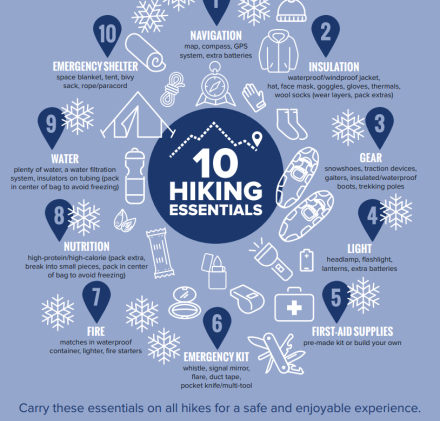
Before setting off on a challenging hiking trail, there are several things you should know and prepare for. Here are some essentials to consider before hitting the trail.
- Proper Footwear – Make sure you have sturdy, comfortable shoes or boots with good tread to provide stability and support on rough terrain.
- Water and Food – Bring enough water and food for the duration of your hike, plus extra in case of emergencies. Consider bringing energy bars, trail mix, or other lightweight snacks that won’t weigh down your pack.
- Navigation – Familiarize yourself with the trail map and bring a compass or GPS device to help navigate. If possible, try to hike with someone who has experience on the trail.
- Weather Protection – Be prepared for changing weather conditions by bringing rain gear, warm layers, and sun protection.
- Safety Equipment – Carry a first aid kit, whistle, headlamp/flashlight, and multi-tool in case of emergencies. Let someone know where you’ll be hiking and when you plan to return.